

A commercial driver’s license isn’t just a piece of plastic; it’s a passport to independence, steady income, and a career that keeps the world’s wheels turning. While trucking brings to mind endless highways, there’s a thriving universe of local driving jobs that begin with the right license. For anyone considering this path, understanding the types of trucking licenses and the career doors they unlock is the foundation to getting started.
The Origins of Trucking Licenses: Understanding Their Purpose
Trucking didn’t always require a formal license. In the early days of freight, regulation was patchy at best. As cities grew and roads became more crowded, accidents and unqualified operators made headlines. Lawmakers responded by standardizing requirements to ensure only those with proven skills could command large vehicles. This shift was about more than just paperwork; it was about protecting the public and professionalizing the industry.
Today’s local trucking licenses differ from the federal or interstate permits that long-haul operators need. While interstate drivers must comply with national standards, local licenses focus on city, state, or regional needs. These address unique regulations, such as passenger transport or hazardous materials, shaped by local laws and conditions.
The Evolution of Commercial Driver’s Licenses (CDLs)
The 1980s marked a turning point with the introduction of the Commercial Driver’s License (CDL). Suddenly, trucking was split into classes based on vehicle size and purpose. Class A licenses opened the door for heavy trucks and long-haul work, while Class B targeted local routes and buses.
Extra endorsements, like those required for passenger or hazardous materials transport, emerged as the industry recognized the need for specialized training. Alongside this, technology and safety standards raised the bar. Today’s drivers face stricter vehicle inspections, digital logs, and advanced safety protocols. This evolution not only improved public confidence but made trucking a more respected and complex profession.
Local Licensing Today: Types and Requirements
Most aspiring truckers decide between a Class A or Class B CDL, each unlocking different routes and job types.
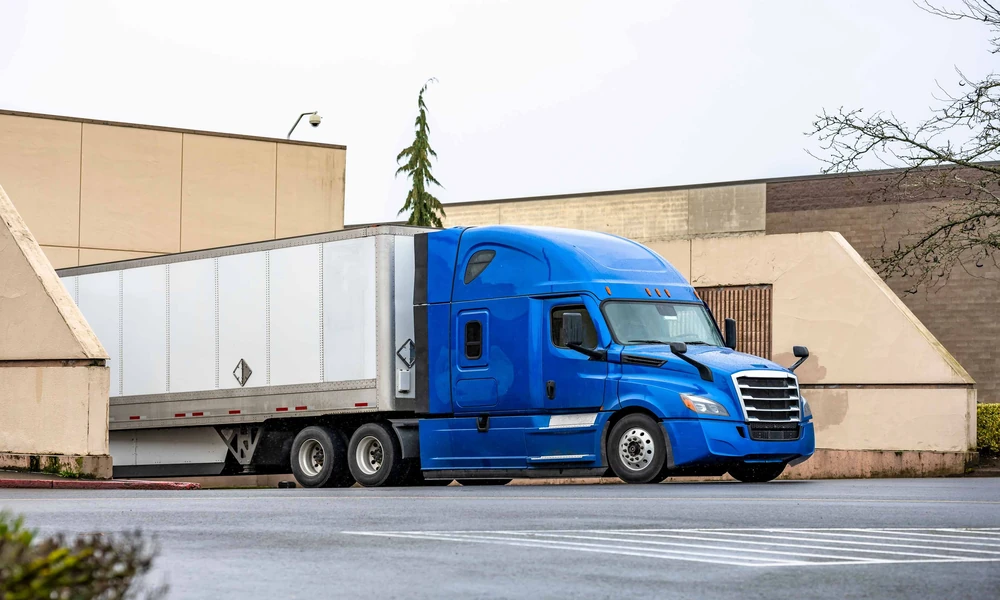
– Class A CDL: This is the ticket for those who want to operate tractor-trailers, big rigs, or combinations of vehicles. While these licenses are essential for cross-country hauls, they’re also required for many local jobs involving heavy or articulated vehicles.
– Class B CDL: Designed for drivers handling straight trucks, delivery vehicles, and local passenger buses, it’s ideal for those who value nightly home time or want to serve in city-based roles.
Endorsements, such as passenger (P) or school bus (S), add further flexibility, letting drivers specialize and increase their earning potential. These extras often require additional classroom and driving tests.
Training Pathways: From Novice to Licensed Driver
Breaking into local trucking means choosing the right training path. Full-time programs, like three-week or six-week courses, immerse students in both classroom theory and practical, behind-the-wheel experience. For those with prior experience, refresher courses ranging from one to two weeks hone specific skills or prepare for licensing exams.
Weekend options have become increasingly popular, making it possible to train while keeping a day job. These flexible programs cater to working adults or parents, with targeted lessons and hands-on practice. Expect a mix of vehicle inspection routines, defensive driving, and road safety, all delivered by instructors who know how to turn nervous beginners into confident pros.
A standout example is the DTR School of Trucking icourses, which offers everything from in-depth Class A CDL training to accelerated Class B and refresher courses. Having state-certified examiners on-site means students can move quickly from lessons to licensing, reducing downtime and expediting the path to a paycheck.
The Licensing Process: Step-by-Step Journey
Every journey begins with a learner’s permit, which allows students to practice under supervision. After clocking hours behind the wheel and mastering pre-trip inspections, the next hurdle is scheduling the road test. DMV wait times can stretch for weeks, but some schools offer in-house testing to cut the delay.
Passing the road test earns the CDL, but the journey doesn’t end there. Many schools help graduates connect with employers or transition into roles with their own transport companies, setting them up for immediate success.
Career Opportunities Unlocked by Local Trucking Licenses
Owning a CDL unlocks a spectrum of jobs. Local drivers can expect steady schedules and the chance to be home most nights, making these roles appealing for those with families or community ties. Class A opens more options, including local freight, construction, and yard management, while Class B is sought after by transit agencies, delivery companies, and school districts.
For the entrepreneurial, a CDL can be the first step toward becoming an owner-operator, setting your own hours and building a business. The demand for local trucking remains high as e-commerce and urban growth drive more goods into cities every day.
The Future of Local Trucking Licenses and Careers
New trends are reshaping local trucking. Training is becoming more flexible, digital apps streamline scheduling, and continuing education is critical for staying competitive. Automation may change some routes, but skilled drivers remain essential, especially in city settings where flexibility, judgment, and personal touch can’t be replaced by machines.
Making the Most of Your License: Tips for Success
Choosing a reputable training provider, understanding the differences between license classes, and keeping up with renewals are crucial for a lasting career. Connect with industry networks and leverage partnerships forged during training to discover new job leads and growth opportunities. Above all, treat your license as a career asset, maintain your skills, stay compliant, and you’ll find a world of opportunity behind the wheel.